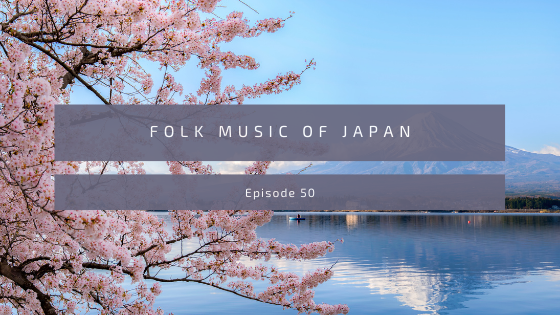

Episode 50 takes us to Japan, and I have to say — this one was so fun to put together.
Japan has one of the most distinct musical traditions in the world, and a lot of it comes from a really different place than Western music. In this episode, we dig into some of the oldest forms of Japanese music: Shomyo (sacred Buddhist chanting), Gagaku (the ancient court music that’s been around for over a thousand years), and the music of Noh and Kabuki theater. Each one is tied closely to Japanese culture, religion, and storytelling in a way that feels almost inseparable from the history of the country itself.
One of my favorite things we talk about in this episode is the Japanese concept of ma — which is basically the idea that silence is part of the music, not just the absence of it. The pauses matter. The space matters. It’s such a beautiful way to think about sound, and honestly, it made me hear music a little differently after learning about it.
After you listen, don’t forget to print the Japan passport stamp below and add it to your musical passport!
Links Mentioned in this Episode:
Busy Kids Do Music History course
Links for Previous Passport Stamps:
Print your stamp and visit Ireland
Print your stamp and visit Congo
Print the passport and visit Brazil
Musical Samples You’ll Hear in this Episode:
Traditional Japanese Folk and Work Songs
The Kyoto Nohgaku Kai – Japanese Noh Music
Traditional Kabuki Music – Yuzuki
Kabuki on Stage: A Solo Performance at Portland Japanese Garden
Music Listening Schedule for Episode 50
I’ve created a YouTube playlist for you with a variety of visually stunning performances that include much of the music from today’s episode. Check it out here.
Subscribe & Review in Apple Podcasts
Are you subscribed to my podcast? If you’re not, head on over to do that today so you don’t miss an episode. Click here to subscribe in Apple Podcasts!
If you’re feeling extra magnanimous, I would be really grateful if you left a review over on Apple Podcasts, too. Those reviews help other families find my podcast learn more about music. Just click here to review, select “Ratings and Reviews” and “Write a Review” and let me know what you love about Busy Kids Love Music. Thanks!